First-Time Buyer Stamp Duty Relief: Complete Guide
First-time buyers in England and Northern Ireland pay no stamp duty on properties up to £300,000, saving thousands compared to standard rates.
First-time buyers pay 0% stamp duty on the first £300,000 of a property purchase in England and Northern Ireland. Properties between £300,000 and £500,000 pay 5% on the amount above £300,000. Properties above £500,000 get no relief at all and pay standard rates on the full price. On a £350,000 house, a first-time buyer saves £5,000 compared to a standard buyer.
Rates verified 3 July 2026. The relief threshold reverted from £425,000 to £300,000 on 1 April 2025; see what changed.
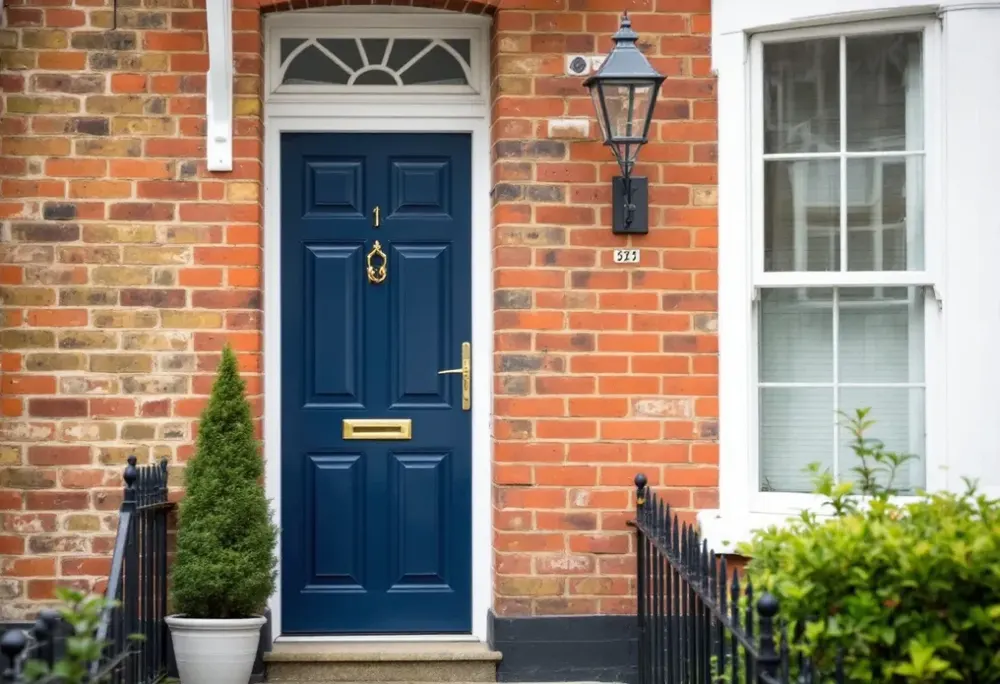
How much is first-time buyer stamp duty relief worth?
First-time buyer (FTB) relief raises the 0% threshold from £125,000 to £300,000, and the relief tapers to £500,000 before cutting off entirely1. Above £500,000, there's no partial benefit: you pay full standard rates on the whole price, the same as a buyer who already owns property.
- 0% threshold for first-time buyers
- £300,000 (vs £125,000 standard)
- Relief ceiling
- £500,000 (no relief at all above this price)
- Saving on a £350,000 property
- £5,000
Worked examples using the rates verified 3 July 2026:
| Property price | First-time buyer pays | Standard buyer pays | Saving |
|---|---|---|---|
| £250,000 | £0 | £2,500 | £2,500 |
| £300,000 | £0 | £5,000 | £5,000 |
| £350,000 | £2,500 | £7,500 | £5,000 |
| £425,000 | £6,250 | £11,250 | £5,000 |
| £500,000 | £10,000 | £15,000 | £5,000 |
| £500,001 | £15,000* | £15,000 | £0 |
| £550,000 | £17,500* | £17,500 | £0 |
* At £500,001 and above, relief is withdrawn entirely, so a first-time buyer pays exactly the same as a standard buyer.
Notice the saving holds steady at a flat £5,000 across almost the entire £300,000 to £500,000 range, then drops to £0 the moment the price passes £500,000. There's no tapering: you either get the full benefit of the band or you get nothing. If your budget is close to £500,000, it's worth checking whether staying just under it is realistic, since crossing that line by even a small amount costs £5,000 more in tax than staying just below it.
Look at £500,000 against £550,000 to see how sharp that edge is. A first-time buyer at £500,000 pays £10,000. A first-time buyer at £550,000, a property just 10% more expensive, gets no relief at all and pays standard rates on the whole price: 0% on the first £125,000, 2% on the next £125,000 (£2,500), and 5% on the remaining £300,000 (£15,000), for a total of £17,500. That's £7,500 more tax to find for £50,000 more house, purely because the price crossed the £500,000 line.
Who qualifies as a first-time buyer?
To qualify for FTB stamp duty relief in England and Northern Ireland1:
- Never owned property anywhere: You must never have owned a freehold or leasehold interest in residential property, in the UK or abroad. Inherited property counts as ownership, even if you later sold it.
- Residential property only: Buy-to-let purchases don't qualify, even if it's your first property.
- Main residence: You must intend to occupy the property as your only or main residence.
- Joint purchases: If buying with someone else, all buyers must be first-time buyers. If one person previously owned property, no one gets the relief.
- Purchase price cap: The property must cost £500,000 or less. Above this, standard rates apply with no relief.
What counts as previously owning property?
You are NOT a first-time buyer if you've ever owned:
- A house, flat or other residential property (freehold or leasehold)
- Property abroad (any country)
- A share in a property (including joint ownership or inherited property)
- A caravan or houseboat used as a main residence
Commercial property ownership (shops, offices) does not disqualify you.
Buying with help from parents
Getting a gifted deposit from a parent or family member doesn't affect your first-time buyer status, as long as you're the one on the title and the mortgage. Problems only arise if the helper is added as a legal co-owner: if they've owned property before, the whole purchase loses relief, because ownership status is assessed for every named buyer on the title, not just the person putting in the deposit. A parent acting purely as a mortgage guarantor, without being named on the property title, doesn't affect eligibility either way.
Joint purchases and first-time buyer relief
When buying with a partner or friend, all buyers must qualify as first-time buyers for the relief to apply2.
Example: you're buying a £400,000 house with your partner. You've never owned property, but your partner previously owned a flat they sold 5 years ago. Neither of you gets the relief, and you pay the standard £10,000 stamp duty (see the full rate guide for how that's calculated). Had both been first-time buyers, you'd pay £5,000, since £400,000 sits inside the 5% relief band above £300,000.
Claiming first-time buyer relief
Your solicitor claims FTB relief automatically when filing the SDLT return. You don't apply separately. The solicitor ticks the FTB box on the SDLT1 form and applies the correct rates, working out your relief using the bands in the table above.
If your solicitor incorrectly applies standard rates, for example because a joint buyer's ownership history wasn't checked properly, you can amend the return and claim a refund within 12 months of the filing deadline. Our refund guide covers the process, including the paperwork HMRC asks for.
Common mistakes that lose the relief
A few situations catch first-time buyers out even when they genuinely qualify:
- Forgetting a joint buyer's history: if your partner owned a flat years ago and sold it before you met, they still count as having owned property, and the whole purchase loses relief.
- Inherited shares: inheriting even a small percentage share of a property, perhaps from a grandparent's will, counts as ownership even if you never lived there or sold your share immediately.
- Buying with a guarantor named on the title: if a parent helping with a mortgage is added to the title deeds (rather than just acting as a guarantor on the mortgage), and they've owned property before, the relief is lost for the whole purchase.
- Overseas property: a holiday apartment bought abroad years ago still counts, even if it was sold long before this UK purchase.
If you're not sure whether a past transaction disqualifies you, raise it with your solicitor before exchange, not after completion; fixing it retroactively means going through the refund process instead of getting it right first time.
First-time buyer stamp duty in Scotland and Wales
Scotland and Wales have separate first-time buyer rules:
| Nation | Tax | Standard nil-rate threshold | First-time buyer relief |
|---|---|---|---|
| England & Northern Ireland | SDLT | £125,000 | 0% to £300,000, then 5% to £500,000; no relief above £500,000 |
| Scotland | LBTT | £145,000 | 0% to £175,000, no upper price cap |
| Wales | LTT | £225,000 | No first-time buyer relief |
- Scotland (LBTT): First-time buyers pay 0% up to £175,000, then standard rates, with no upper price cap on eligibility (unlike England's £500,000 cut-off). On a £300,000 flat in Scotland, a first-time buyer pays £4,000 against a standard buyer's £4,600, a flat £600 saving that holds at most price points once you're above the £175,000 relief threshold. See our Scotland stamp duty guide.
- Wales (LTT): No specific first-time buyer relief. All buyers use the same LTT rates, so a first-time buyer in Wales gets no discount at all compared to someone who has owned property before. See our Wales stamp duty guide.
This means the value of "being a first-time buyer" varies enormously by nation: worth up to £5,000 in England, a flat £600 in Scotland, and nothing in Wales. If you're weighing up a move across a border, factor this into the comparison alongside the headline property price.
Is first-time buyer relief the same as a government scheme?
No. Stamp duty relief is a tax reduction, not a purchase scheme: it doesn't help with your deposit, your mortgage, or the property price itself, it simply reduces or removes the tax bill on completion. It's separate from mortgage products marketed at first-time buyers, and from any deposit or equity assistance a lender or developer might offer. You can combine FTB stamp duty relief with other first-time-buyer mortgage products; they're assessed independently by different parties (HMRC for the tax, your lender for the mortgage).
Changes to first-time buyer relief
The relief threshold has moved twice in recent years. It rose to £425,000 (with a £625,000 cap) in September 2022, then reverted to £300,000 (with a £500,000 cap) on 1 April 2025, when the temporary September 2022 measures expired3. Before September 2022, the threshold was £300,000 with the same £500,000 cap, so the current rules are effectively a return to the pre-2022 position rather than a new policy. Future budgets could change the thresholds again; this page reflects rates verified 3 July 2026. If you've seen £425,000 quoted as the first-time buyer threshold in older news coverage or a comparison site that hasn't been updated, that's why: it was correct between September 2022 and March 2025 and isn't correct now.
First-time buyer relief doesn't interact cleanly with every situation either. Non-UK residents who qualify as first-time buyers still pay an extra 2% surcharge on top of the FTB rates. Companies can't claim the relief at all, since it only applies to individuals buying a home to live in, and a company purchase above £500,000 instead faces a flat 17% rate. Mixed-use property and purchases covered by multiple dwellings relief are calculated under different rules again. For any of these, use the official HMRC stamp duty calculator4 rather than relying on the figures on this page.
Sources
- HM Revenue & Customs, Stamp Duty Land Tax relief for first time buyers, gov.uk/stamp-duty-land-tax/relief-for-first-time-buyers, accessed 3 July 2026
- HM Revenue & Customs, SDLTM09775 - Special provisions: First Time Buyers' Relief, gov.uk/hmrc-internal-manuals/stamp-duty-land-tax-manual/sdltm09775, accessed 3 July 2026
- HM Revenue & Customs, Stamp Duty Land Tax: residential property rates, gov.uk/stamp-duty-land-tax/residential-property-rates, accessed 3 July 2026
- HM Revenue & Customs, official Stamp Duty Land Tax calculator, tax.service.gov.uk/calculate-stamp-duty-land-tax, accessed 3 July 2026
Last reviewed: 2026-07-03. Rates verified against gov.uk, Revenue Scotland and gov.wales.